Programmatic OOH and Digital Media: The Formula to Reach Gen Z
The combination of digital media and programmatic out-of-home advertising (pDOOH) opens up increasingly valuable opportunities for brands to connect with young audiences by strategically integrating the physical and digital contexts. Explore how the omnichannel world of marketing works.
Why connect these two worlds?
Digital media —such as apps, streaming platforms, or social networks— allows precise segmentation and personalized messaging to reach specific audiences.
Meanwhile, programmatic out-of-home advertising incorporates demographic and contextual data into campaigns, offering a similar level of personalization while maintaining massive reach and presence in strategic locations. When combined, both channels deliver a more complete, consistent, and memorable brand experience.
Real-Time Synchronization of pDOOH and Digital Campaigns
Digitalization and the use of data in DOOH screens allow brands to update their messages based on trends, environmental conditions, or live events. By combining this capability with the agility of digital media, it becomes possible to create campaigns that respond in real time, encourage interaction, and seamlessly connect the physical and digital worlds.
In fact, studies have shown that when used with social campaigns, outdoor advertising can increase overall campaign effectiveness by up to 20%, reinforcing engagement, awareness, and message recall across all platforms.
In this way, digital outdoor advertising complements social and digital channels, helping advertisers create consistent, high-impact narratives across all screens and formats.
Precise Targeting and Contextual Relevance in Programmatic Out-of-Home Advertising
Through programmatic buying, out-of-home advertising can now replicate the accuracy of digital segmentation. On the Taggify DSP platform, brands can target audiences based on demographic and socioeconomic factors, as well as select specific times and locations to display their ads. This ensures greater relevance, effectiveness, and ROI.
How to Leverage Influencers and Shareable Content for Gen Z
To capture the attention of younger generations, content must be both entertaining and shareable. This cross-channel dynamic amplifies campaigns and strengthens brand positioning.
The integration of influencers and public figures reinforces brand identity and builds an emotional connection that extends from mobile devices to the streets. For example, in the Bayer and Rabanne campaigns with Taggify, the brands chose to partner with model Gigi Hadid and Franco Colapinto, who were the stars of the creative ads on the Obelisk in Buenos Aires. This boosted the impact both on the street and on social media.
pDOOH as an Independent Channel: Visual Advantages and Strategies
Beyond digital integration, programmatic out-of-home must be considered a channel with unique characteristics. Creatives should be designed to capture attention at a distance and within seconds, maximizing its visual and contextual impact.
For this reason, brands need to develop specific content that leverages the strengths of this medium to enhance visibility and strengthen brand identity.
Conclusion
In a world where consumer attention is limited, brands that implement integrated strategies combining pDOOH with digital media achieve more memorable and effective campaigns.
This combination not only amplifies reach but also creates more relevant experiences for younger audiences.
Contact us to discover how you can add programmatic out-of-home to your next integrated marketing campaign.
More ideas for programmatic DOOH teams
Continue with practical reads on audience intelligence, inventory strategy and measurable real-world media.
How Brands Can Win the World Cup 2026 With Programmatic DOOH
Few events capture global attention like a football World Cup. For several weeks, millions adjust their routines, gather in public spaces, and follow every match. Cities change their rhythm and conversations revolve around a single topic — creating a powerful opportunity for brands to reach audiences through programmatic outdoor advertising.
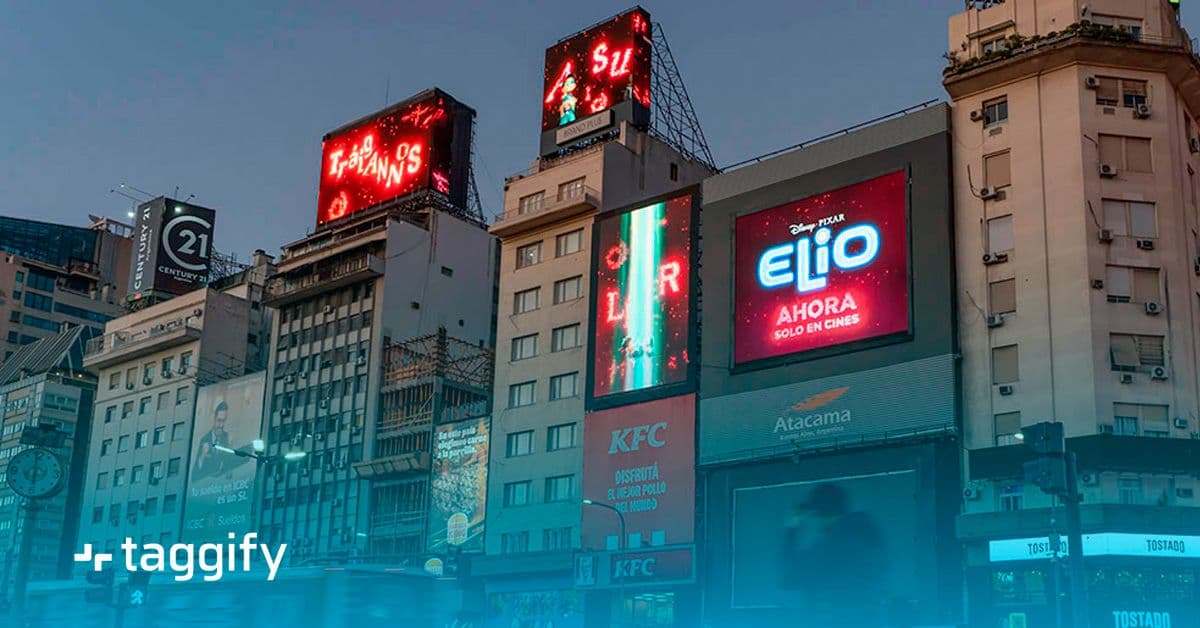
Premium large-format DOOH captures more attention than digital channels
A recent study conducted in London, United Kingdom, reveals that large-format digital formats in outdoor advertising (DOOH) attract up to five times more attention than online digital formats. Discover why premium DOOH formats are revolutionizing advertising.
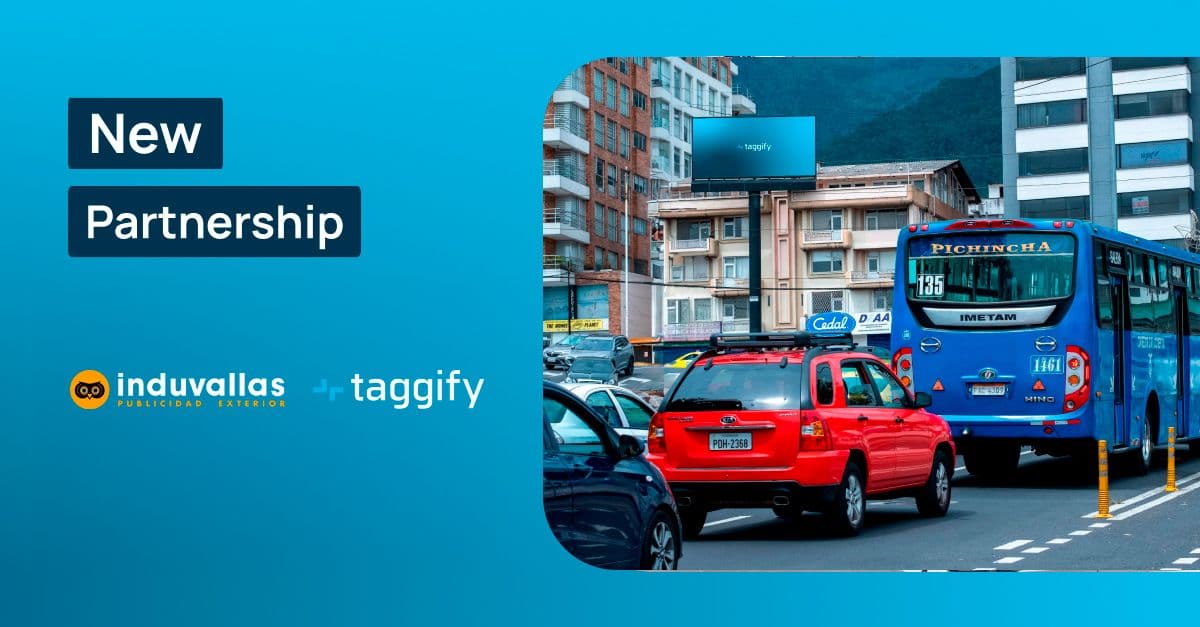
Taggify Expands Its Coverage in Ecuador
Taggify is adding 40 new digital billboards in the country’s main cities, thanks to a recent partnership with Induvallas, one of the leading players in outdoor advertising in Ecuador.